ARTICLE 6628 / NYLON–SPANDEX
78 Nylon 22 Spandex Fabric | Article 6628
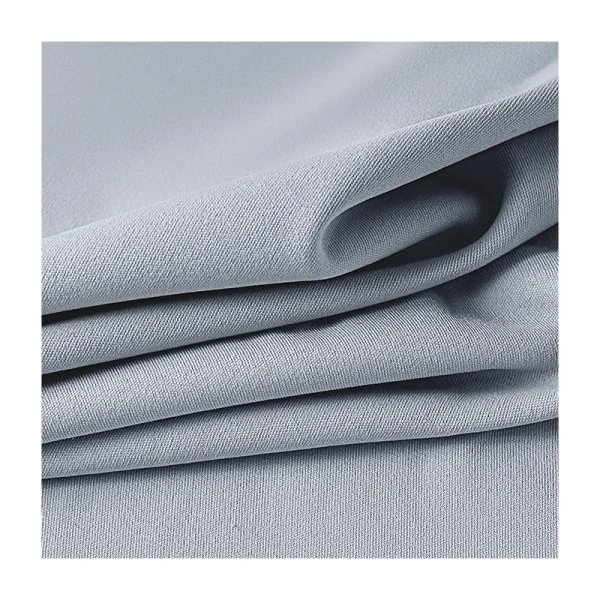
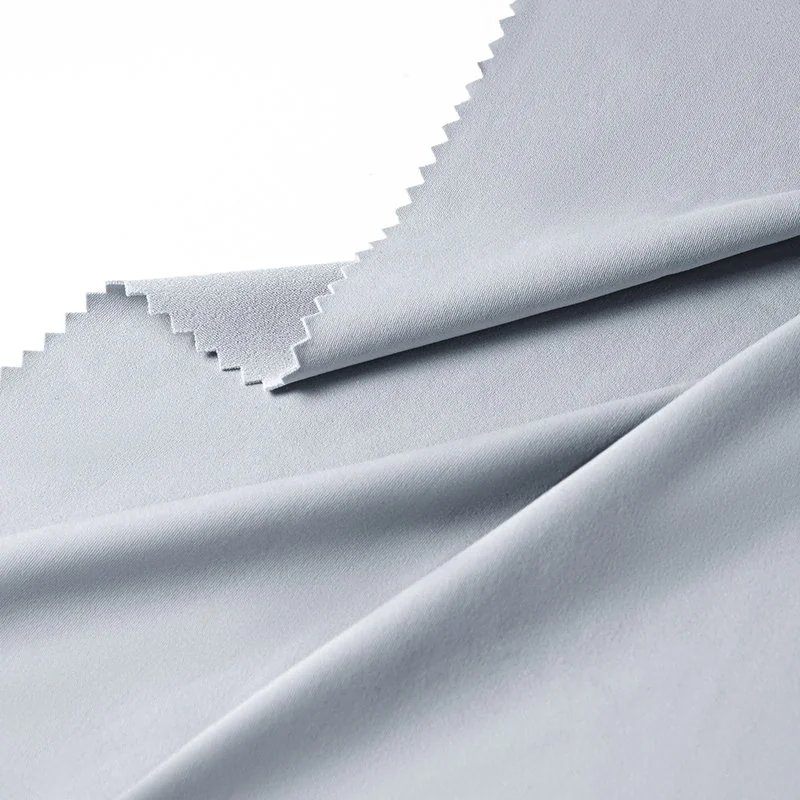
Article 6628 is a 78 nylon 22 spandex fabric offered for yoga garments, underwear and fitted apparel layers. Its surface is smooth on both faces, and its specified width is 160 cm. The article gives your team an identified blend to carry into a cutting review and a garment sample.
- Composition
- 78% nylon / 22% spandex
- Specified width
- 160 cm
- Fabric surface
- Smooth, double-face
- Applications
- Yoga garments, underwear, sport vests
Give the smooth face a garment context
Look at each side of the cutting and choose the one to use in the sample. Write that choice beside the article number and pattern reference. A smooth face on both sides gives you two surfaces to inspect, but the sewing team still needs to know which orientation the design team selected.
The garment determines what to examine next. For a yoga top, review the neckline and armhole treatment. An underwear panel brings its seam and edge finish into focus. With another fitted layer, assemble the relevant pieces before deciding how you want the fabric to appear across the complete construction.
Compare named articles
The composition of 6628 is 78% nylon and 22% spandex. Another smooth nylon-spandex reference is article 6602, specified as 80% nylon and 20% spandex. Both have a specified width of 160 cm. Place the labeled cuttings against one garment reference and note the observations for each article separately.
If the design calls for a visible rib, compare article 6609. That article has a 75/25 nylon-spandex blend and a specified width of 150 cm. Surface, composition and width each give the comparison a distinct question. Use the ribbed reference where that surface forms part of the garment design.
Use the blend to identify the material
The 22% spandex figure identifies this composition. State any required extension or recovery separately, together with the fabric direction and the evaluation conditions. The planned lining, seams and fit belong in the sewn sample review. They give the team a construction to assess rather than asking the blend percentage to describe the whole garment.
Material sheets may use another generic fiber name for spandex. The spandex and elastane naming guide explains that wording, drawing on the FTC fiber-labeling guidance. Use the full fiber names and percentages with the article reference when reconciling a cutting label and a quotation.
Bring the width into the layout
The specified width of 6628 is 160 cm. Take that figure to the marker discussion, then establish the usable width needed for the order. If the pattern or a piece’s orientation changes during sampling, record the change beside the observations. Retain the earlier cutting so the next discussion has a clear comparison to work from.
Make the inquiry easy to follow
List article 6628, the garment type, sample requirement and color direction. Add your estimated fabric quantity and any width or test requirements already set for the project. A comparison article should have its own number in the request. The wider nylon-spandex range is useful when the material family is still being narrowed; keep a short note explaining what each candidate is there to answer.
ARTICLE 6628
Details for your selection.
What are the blend and specified width of 6628?
6628 is specified as 78% nylon and 22% spandex, at a width of 160 cm. Carry the full composition and article number together when preparing a cutting request or comparing materials.
Does 6628 have a smooth face or a rib?
6628 has a smooth double-face surface. The comparison article 6609 has a pronounced rib, along with a different blend and specified width. Choose the face that belongs in your intended garment design.
What are its intended uses?
The intended uses include yoga garments, underwear and fitted layers. Review it with the seams, edge finishes and lining planned for your particular garment, and identify any required evaluations in the material brief.
YOUR FABRIC, YOUR BRIEF
Build a sample list.
Start a fabric conversation.
Tell us what you are making and which articles you want to compare. Keep the fabric references and your project requirements together.
Request your fabric selection ↗- 01 / MATERIAL
- Choose the blend.
- 02 / SURFACE
- Find your texture.
- 03 / APPLICATION
- Bring the garment brief.
- 04 / NEXT STEP
- Request cuttings.