ARTICLE 5512 / POLYESTER–SPANDEX
95 Polyester 5 Spandex Fabric | Article 5512
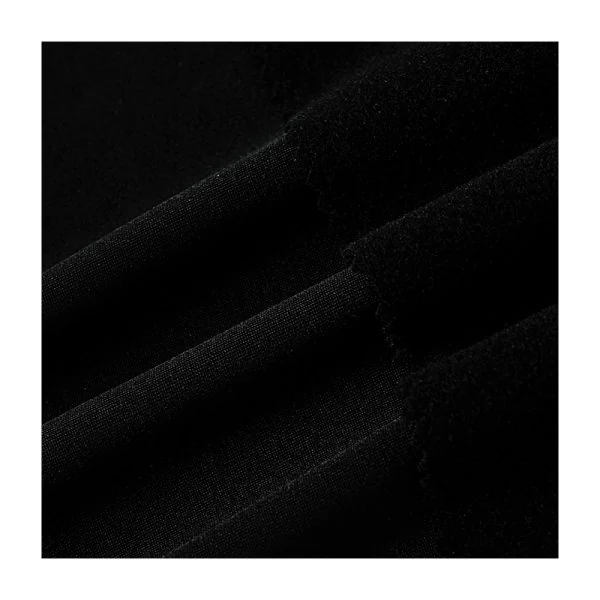
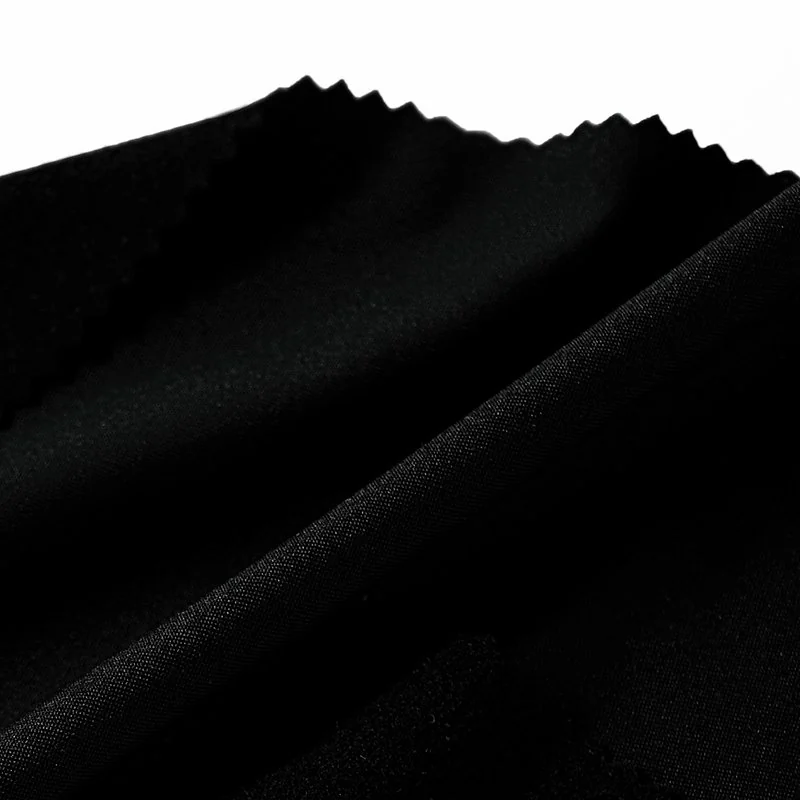
Article 5512 is a 95 polyester 5 spandex fabric with a single-brushed face, specified at 165 cm wide. It is offered for winter underwear, yoga base layers and autumn or winter fitted sets. Review the raised face where it will sit in the garment, including seams and turned edges.
- Composition
- 95% polyester / 5% spandex
- Specified width
- 165 cm
- Fabric surface
- Single brushed face
- Applications
- Winter underwear, yoga base layers, fitted sets
Begin with the raised face
5512 uses single-face brushing on a polyester-spandex knit. Handle both sides of the cutting and mark the side intended for the inside of your sample. Put that choice on the construction notes before the fabric reaches the sewing team. Sleeves, body panels and hems should follow the same face reference.
A turned edge makes this choice visible. Check the planned neckline or cuff, particularly where a fold exposes the other face. Assemble the finish you intend to use and look at that part of the sample. This is a different question from whether you like the hand of the loose cutting.
Describe the finish as well as the ratio
The composition is 95% polyester and 5% spandex. Retain the single-brushed knit description beside those figures. A smooth fabric, a woven fabric and a brushed knit can carry the same fiber ratio, yet give the development team different surfaces and construction choices. The cutting label needs enough information to distinguish them.
Other raised surfaces have their own references in the brushed knit selection. Article 6615 is a nylon-spandex option with back brushing. Article 6622 is another nylon-spandex option, described with double-sided sanding. Keep each under its own number if you want to compare where the treated faces sit in the garment.
Work on the fitted layer you intend to make
Winter underwear, yoga base layers and fitted seasonal sets are the intended applications for 5512. Choose the first sample around one of those styles. Include the seams and edge treatments that affect its appearance. For a two-piece set, lay the top and bottom samples together; the design discussion can then address the outfit as a whole.
Use the specified 165 cm width in the marker discussion and establish the usable width required for the order. A directional stretch or recovery requirement should be recorded separately. The public ASTM D2594/D2594M listing identifies a method family to discuss with a testing provider when evaluating stretch properties of knitted fabrics.
Set a smooth reference beside it
Article 5508 offers a different polyester-spandex reference: an 82/18 smooth double-face knit at a specified width of 160 cm. A comparison with 5512 can help the team describe the face it wants for the project. Bring the intended garment and edge finish to that comparison, rather than choosing a cutting from its percentage alone.
Send one material brief
Give article 5512 as the reference and describe the garment, sample requirement and color direction. Add the estimated fabric quantity, face orientation and width or evaluation requirements already established for the project. Name any comparison article separately. A labeled cutting or an identified garment detail gives the response a specific surface and construction to address.
ARTICLE 5512
Details for your selection.
What is the composition and specified width of 5512?
The blend is 95% polyester and 5% spandex, with a specified width of 165 cm. Include its single-face brushed finish when identifying the material for a sample request.
How many faces are brushed?
5512 is described with single-face brushing. Mark the raised side and show its intended placement in the garment sample. If you need a different treatment, include that requirement with its own material reference.
What garment applications are intended?
The intended applications include winter underwear, yoga base layers and autumn or winter fitted sets. Use your planned garment construction for the development sample, with any evaluation requirements stated in the brief.
YOUR FABRIC, YOUR BRIEF
Build a sample list.
Start a fabric conversation.
Tell us what you are making and which articles you want to compare. Keep the fabric references and your project requirements together.
Request your fabric selection ↗- 01 / MATERIAL
- Choose the blend.
- 02 / SURFACE
- Find your texture.
- 03 / APPLICATION
- Bring the garment brief.
- 04 / NEXT STEP
- Request cuttings.